Upcoming Events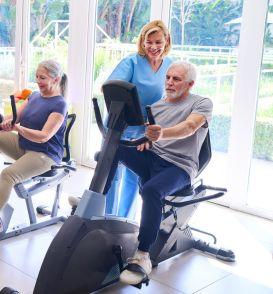
Let’s get to the heart of the matter: don’t wait until you have a cardiac event to exercise. In fact, scientific studies show that incorporating physical activity into your weekly routine can significantly reduce your risk of heart disease.
“I see it all the time in cardiac rehab: a patient begins their exercise routine after they have had a heart attack or a major cardiac procedure and are prescribed cardiac rehab to recover; many of whom have never done any sort of structured exercise previously,” said James Dowling, M.S., ACSM-CEP Program Manager/Clinical Exercise Physiologist of the Cardiopulmonary Rehabilitation at Montefiore Nyack Hospital. “It’s then that they realize how easy it is to incorporate simple, heart-healthy physical activities into their lifestyle and the added benefit-- how good it is making them feel.”
Get a pulse on your health
Your heart isn’t the only organ that will be pumped that you’re working out. Thirty minutes of physical activity per day has a positive impact on your overall well-being, including stress management, better sleep, and reduced risk of other chronic diseases, such as dementia and depression.
“Lifting light weights, bike riding, walking on the treadmill, resistance and balance training, are part of the many customized exercise routines we create for patients in cardiac rehab that everyone can do,” said Dowling. “Intensities and duration of exercise may vary based on a person’s age, co-morbidities, orthopedic limitations, and previous exercise experience. But from the moment you start working out, the overall health benefits kick in.”
And the outcomes will make your heart skip a beat (in the best way possible). Lower blood pressure, healthier eating habits, weight loss, controlled cholesterol and blood glucose levels, improved psychosocial well-being, and motivation to quit smoking are among the results Dowling has seen in his patients.
Bypass excuses
Physical activity can be broken up throughout your day. No matter your age or stage in life, there are workout regimens that can benefit everyone. Below are physical activity recommendations according to the Physical Activity Guidelines for Americans:
Pre-School-Aged Children: Ages 3-5 years old should be physically active throughout the day.
Children and Adolescents: Ages 6-17 years old should do at least 1 hour of moderate to vigorous activity daily, including aerobic, muscle-strengthening, and bone-strengthening exercises, at least 3 days a week.
Adults: Move more and sit less! Adults should work out 2-5 hours a week, incorporating muscle-strengthening activities on 2 or more days.
Older Adults: Physical activity that focuses on balance, aerobics, and muscle strengthening exercises for 2-5 hours a week. For those who can’t do at least 150 minutes of exercise due to chronic conditions, consult with your doctor on activities that fit your physical abilities.
Women During Pregnancy and Postpartum: Find moderate-intensity activities for 2.5 hours per week. If you’re pregnant and beginning a new workout, it’s important to consult with your doctor to ensure your safety.
Adults with Chronic Health Conditions and/or Disabilities: Consult with your doctor, and if you get the green light, do 2-5 hours a week of aerobic activity, combined with muscle-strengthening activities on 2 additional days of the week.
It’s time to make time for your health today! To learn more, visit www.montefiorenyack.org/services/cardiac-care.